1. Cabin survey
Before anything is touched, the crew looks over the interior for sharp objects, hidden pooling and personal belongings.
Waukegan, IL · Lake County
A biohazard in a vehicle should not sit in the heat or be handled bare-handed. In Waukegan, call (877) 812-4220 to have the contamination removed and the cabin sanitized.
If anyone is in danger, call 911 first. For a suicide crisis, call or text 988.
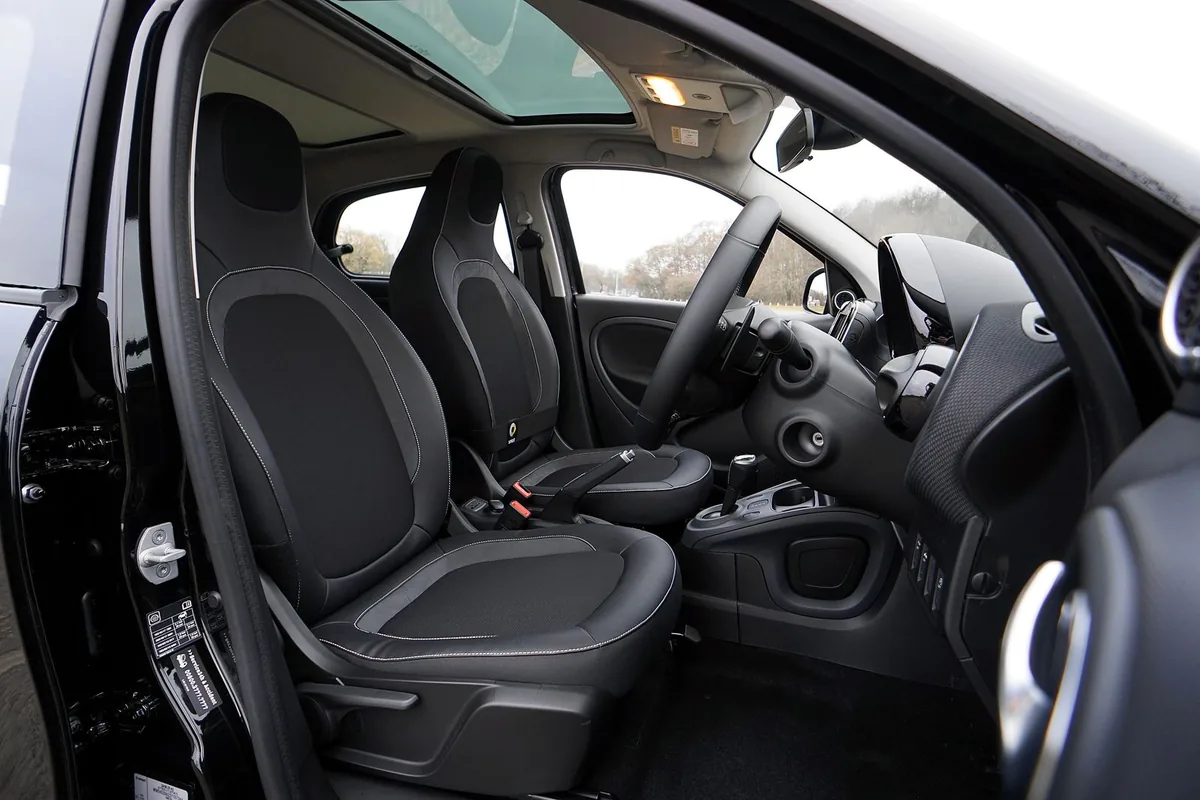
Hazmat car cleaning is the common name for decontaminating a vehicle that holds hazardous material, usually blood or body fluids. The work follows bloodborne pathogen safety rules and ends with regulated disposal.
For vehicle biohazard cleanup around the clock in Waukegan, Waukegan and nearby towns in Lake County, call Waukegan Biohazard Cleanup Help. Work on your vehicle follows bloodborne pathogen safety rules from the first step to the last.
Even with milder July highs near 82 degrees in Waukegan, a parked car traps heat, so fluid odors can still build quickly. Anyone hurt in a vehicle incident should be seen at Vista Medical Center East in Waukegan or by a doctor before anyone thinks about the cabin.
The work often covers:
Before anything is touched, the crew looks over the interior for sharp objects, hidden pooling and personal belongings.
Cleaners set up protection, seal off the working area and keep people away from the vehicle.
Contaminated parts that cannot be saved come out. Surfaces that stay are cleaned layer by layer.
Disinfectant stays wet on every surface for the label time. The crew then checks the work and takes the waste away.
Most vehicle biohazard cleanup jobs in Waukegan, IL cost between $500 and $5,000, based on published cost guides.
What the fluid soaked into decides how much comes out. Seat foam, carpet and headliner that absorbed fluid usually have to be removed, which adds labor and parts.
| Type of job | Typical range |
|---|---|
| Vehicle biohazard cleanup | $500 - $5,000 |
Published ranges only (BioCleaners Directory); every vehicle biohazard cleanup job in Waukegan is priced after an on-site look. Price drivers include type of interior materials, how serious the event was, time since the event, air system decontamination. Questions? Call (877) 812-4220.
Often, yes. Crews can work in a driveway, garage or lot, depending on space, weather and the extent of the contamination. Some vehicles are moved to an enclosed space to keep the work private and contained.
It refers to a vehicle damaged by a biohazard, such as blood or body fluids, or by a chemical spill. Both kinds of contamination call for protective gear and specialized cleaning. A cleanup team can tell which applies after seeing the vehicle.
It usually means the interior was contaminated by blood, body fluids or similar material, and cleaning or repair is needed. Insurers and sellers may use the phrase when a vehicle was exposed to hazardous contamination.
A vehicle where a death occurred is cleaned only after law enforcement or the medical examiner releases it. The team removes contaminated materials, disinfects and treats odor, which can settle into seats, headliner and vents.
Yes. A regular detail cleans dirt and stains with household products. Biohazard car detailing starts with decontamination, then moves to restoring the finish. Skipping the first step leaves germs and odor behind.
A salvage vehicle is one an insurer has declared a total loss. Some are also tagged for contamination when blood or fluids were involved. Labels and rules vary, so ask the insurer or the state title office what applies to a specific vehicle.
One call starts the cleanup, disinfection and disposal.
Call (877) 812-4220